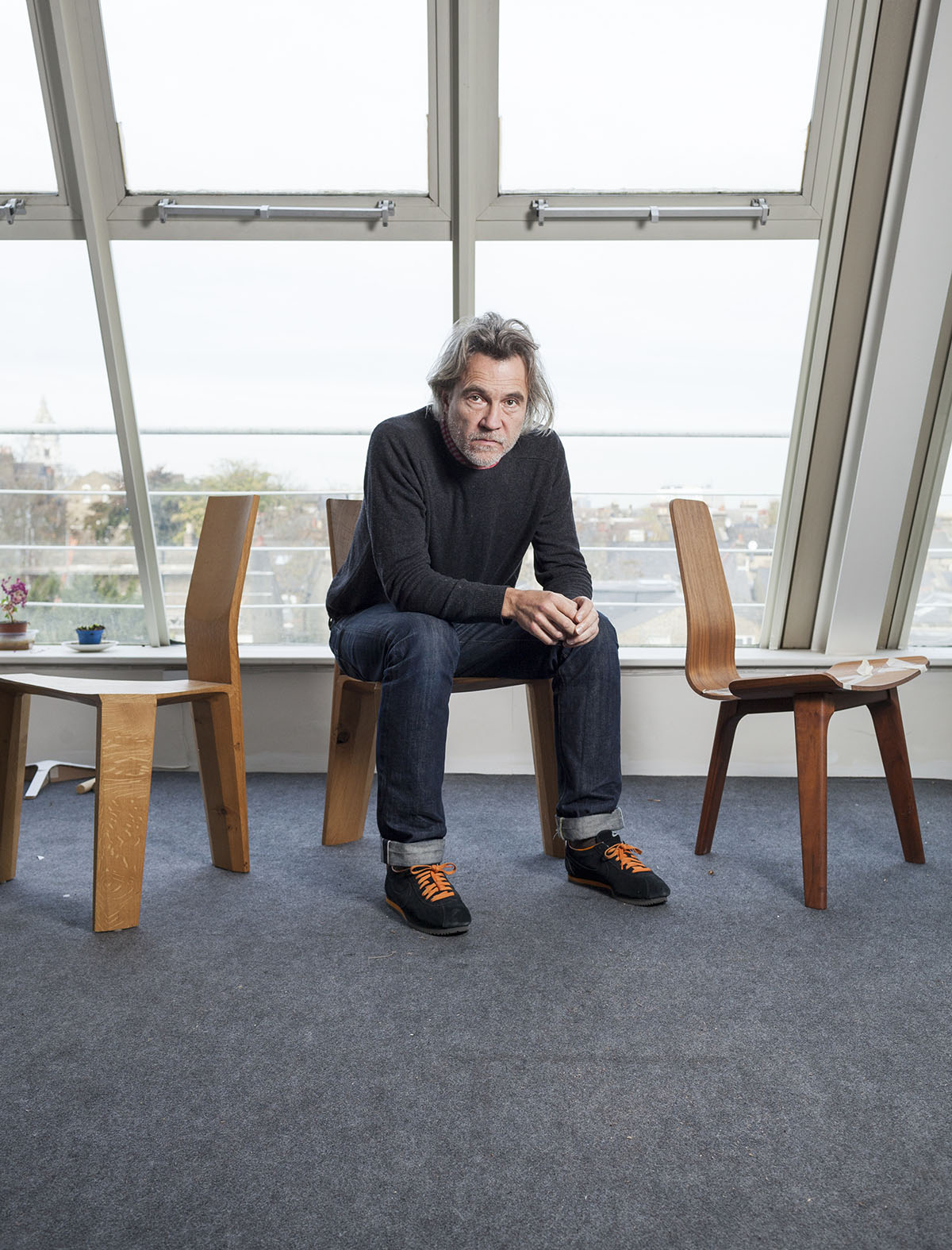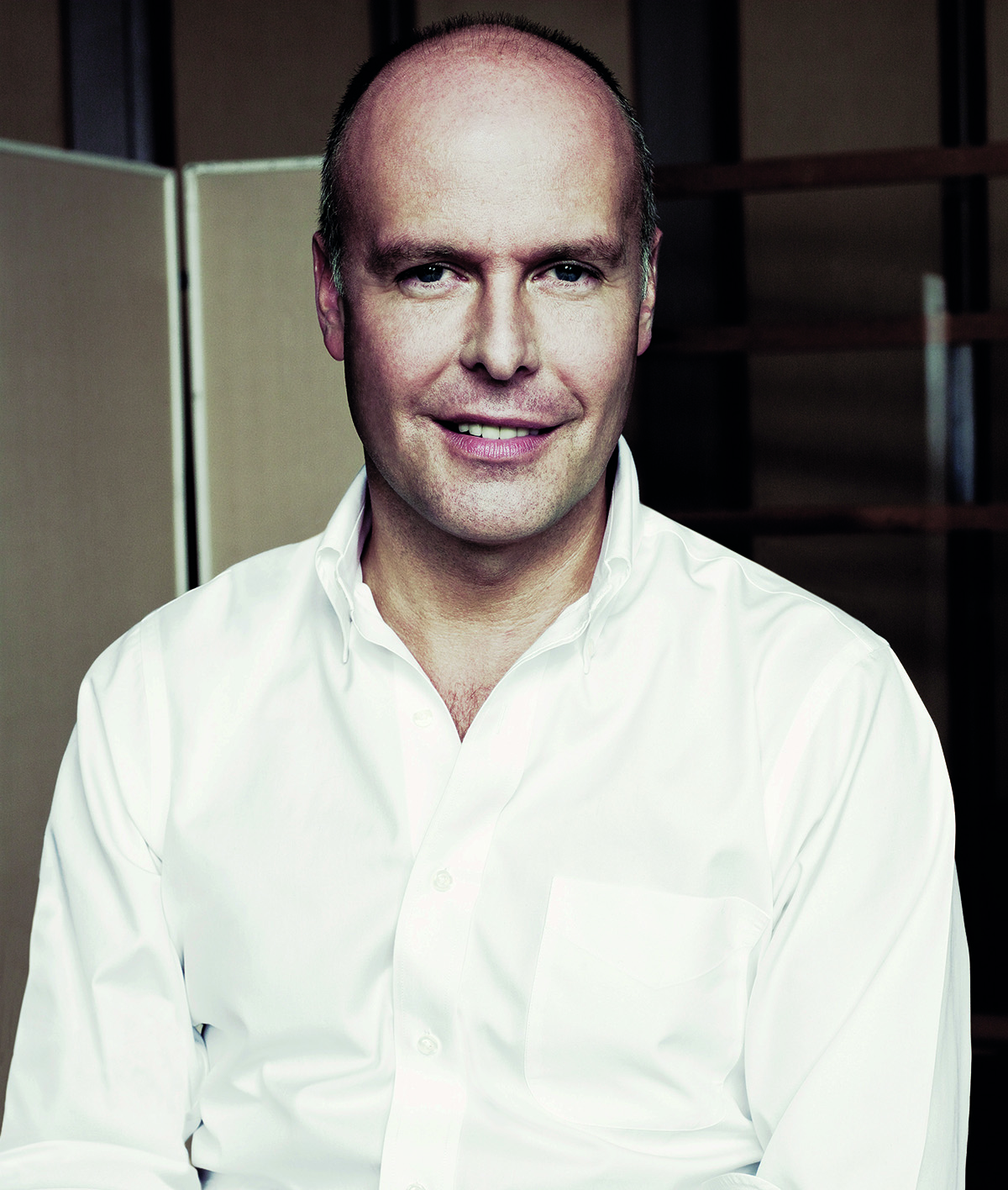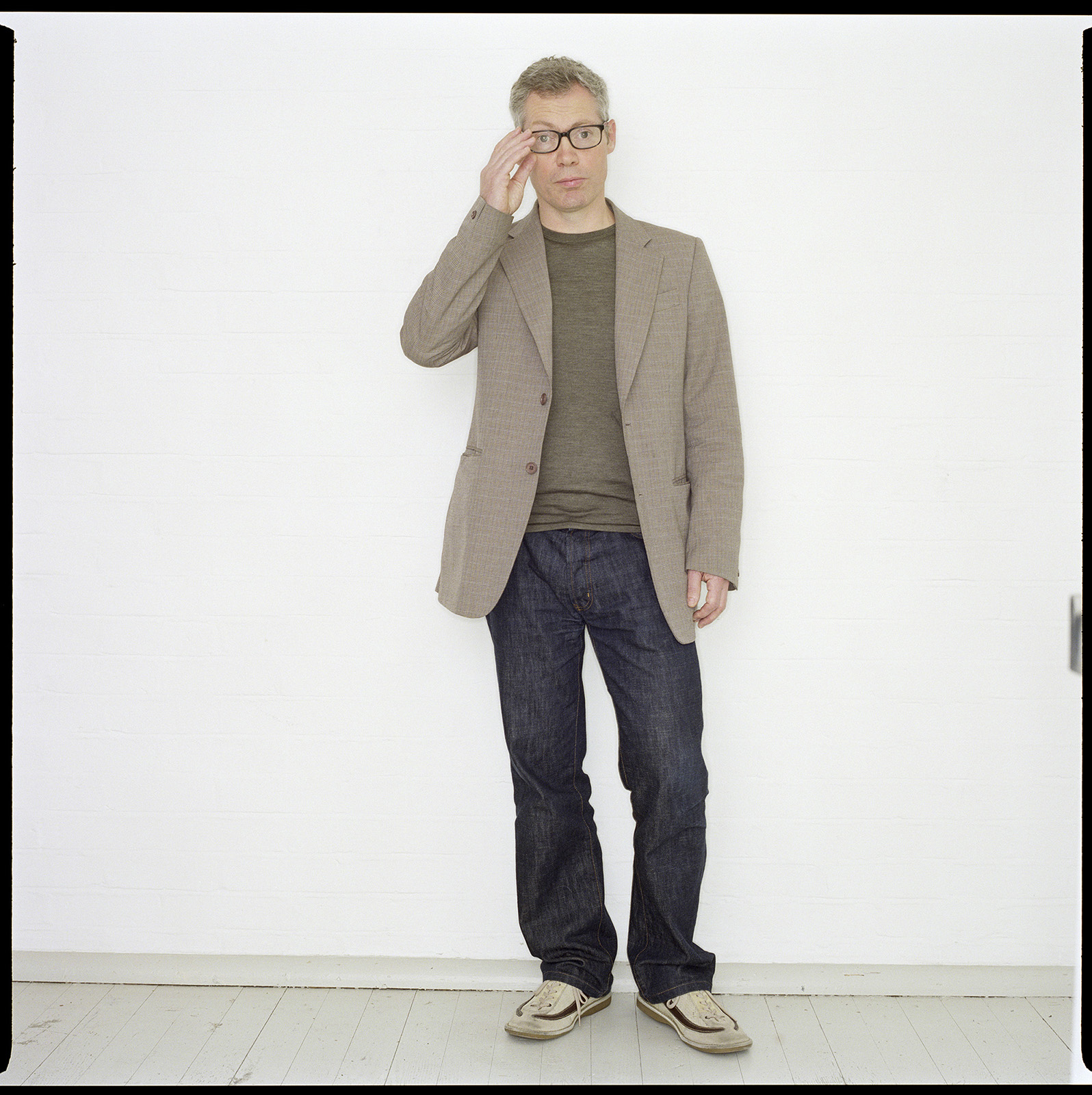
Paul Stafford was born in 1957, 10 minutes behind Peter, his twin brother. He grew up in a corner shop in Oldham and later moved with his family to Rochdale, where he attended the local college and discovered art. In his element, he progressed to study Fine Art at Lanchester Polytechnic in Coventry, where he met his future wife.
He moved to the Slade School of Fine Art to study MA Sculpture under his heroes Reg Butler and John Davies, and was named the ‘Year’s Most Promising Student’.
Immediately offered a solo show at the prestigious Angela Flowers Gallery, London, Paul then went on to represent Great Britain at Art Expo, New York.
Paul was selected for the Stanley Picker Fellowship in Sculpture at Kingston Polytechnic and spent a year working in the Sopwith Camel building, commuting on his Honda Super Dream 250 motorcycle from the East End.
Working with the human body as a focal point, his work is a reflection of his life. Recent work focused on Paul’s escape from the crash landing of BA038 at Heathrow in 2008, returning from University business in Beijing. This event had a profound effect on his life and his work.
Whether drawing, painting or sculpting, Paul has always maintained his studio practice, which he believes has been an important motivator and example to his students.
Paul has shown his work extensively in the UK, Europe, Japan and the USA. His next London show, ‘Sex in the City – Naked London’, is scheduled for July 2013 in Gallery Different, Percy Street, 1,000 yards from the Slade School where it all began.
Paul spent 20 years at Kingston University. He forged important international links, most notably with Hiroshima City University, Japan. Over 2,500 students passed through his care, including his own two children. “What finer accolade can there be for a father and academic, than the fact that his children spent their most formative year working alongside their dad?” he says. “My proudest achievements are my marriage, my kids and the success of my students. It has been a privilege, an honour and a fantastic journey.
I wouldn’t have changed one minute of it. I dedicate this to ‘the two Monas’. They know who they are.”
Kingston University is pleased to recognise the achievements of Paul Stafford for his outstanding contribution to art and design education with the award of Fellow of Kingston University honoris causa.

Born in Belfast, Leo Duff attended Victoria College with its unusual art department, before moving to Brighton to complete an Art and Design Foundation and undergraduate Communication Design course. After graduating from a postgraduate course in Illustration at the Royal College of Art, London, in 1979, Leo worked as a freelance illustrator and visiting lecturer at several art schools, as well as exhibiting work. She came to Kingston in 1982 and worked on the Illustration and Graphic Design undergraduate and postgraduate courses, before moving to the Art and Design Foundation in 1995.
A lifelong interest in drawing, and involvement at the forefront of national and international drawing organisations, played a part in her establishing the MA Drawing as Process in 2000. Drawing projects she championed at Kingston include the Drawing Lecture Series, with advocates of drawing such as Quentin Blake, Cornelia Parker, Peter Blake, Posy Simmonds, and the touring exhibition and conference related to the publication Drawing – The Process and its subsequent events. PEAP (Picker Education in the Arts Programme) was masterminded and established by Leo, alongside successful fundraising that led to the ‘Brill Project’ (1999), bringing together a full biography and retrospective exhibition of Reginald Brill, the head of Kingston School of Art (1933–62). In the local community, Leo set up ‘The Big Draw’ – a series of public drawing marathons in the Bentall Centre atrium (involving over 50,000 participants on one of the weekends) – and worked with south-west London schools and colleges on many Brill drawing projects, involving Kingston students in their delivery.
Leo’s drawing has at its heart the examination of process in drawing, including extensive research into East-Asian ink painting, comparing through practice its philosophy, media and techniques with Western drawing. Her subject matter captures the sense of place of the many locations she has set out to explore and respond to via drawing. Heritage sites ranging from the well-known Stonehenge to remote Bolus Head in Ireland, or the current frenzy of demolition and construction in China, have led to exhibitions from Porto to Seoul, Dublin to Taipei.
Leo’s contribution to illustration is reflected in her activity as a past council member of the Association of Illustrators and the House of Illustration. She has been commissioned by organisations as diverse as Saatchi & Saatchi and The World of Fine Wine, and publications ranging from Architect’s Journal to Vogue.
Travelling has always been part of her life – adventurous family trips, her location-based illustration work, drawing workshops for the British Council and artist residencies abroad – so Leo naturally grew into the role of forging international links for the Faculty of Art, Design & Architecture, parallel to teaching and her practice. As academic director of overseas development, she worked until her recent retirement to promote the Faculty’s outstanding UK reputation to the global arena of art and design higher education.
Kingston University is pleased to recognise the achievements of Leo Duff for her outstanding contribution to art and design education with the award of Fellow of Kingston University honoris causa.

Capped 85 times for England, Lawrence Dallaglio was a key member of the team that won the inaugural Sevens World Cup in 1993 and the 2003 Rugby World Cup. He also played on three British and Irish Lions tours, including 1997's victorious series in South Africa. Widely regarded as one of the greatest back row forwards of all time, he is one of only two Northern Hemisphere players to hold world cup winners' medals for both the sevens and 15-man game.
Now retired from competitive rugby after a career spanning almost two decades which saw him captain England twice, he now tirelessly for the Dallaglio Foundation which he founded after losing his mother, Eileen, to cancer in 2008.
Dallaglio has long-standing links with Kingston University having studied urban estate management in the 1990s. He initially juggled his passion for sport with study while playing for the London Wasps and England Under-21s. Speaking at a ceremony at Kingston's Rose Theatre, Dallaglio said he felt nervous to be standing in front of his fellow graduates - more so than on a match day. "I thought playing in front of a few thousand at Twickenham was hard work, but I definitely woke up before the ceremony feeling very nervous and very excited," he said. "What an incredibly proud and humbling moment this has been for all of us."

Mr Kneen first made his mark in the industry specialising in womenswear and childrenswear in Italy, before setting up his own studio and label and serving as a design consultant for top Italian brands. He has been at the forefront of Banana Republic's global design team since 2008 after holding senior posts at the Retail Brand Alliance in the United States, where his numerous achievements included being the first person to design a collection for both men and women at Brooks Brothers. Mr Kneen's extensive curriculum vitae also includes two years as creative director for Italian label Maska, known for its exclusive couture and fashionable ready-to-wear ranges, and a period as a head designer for Maison Balmain.
His passion for the industry dates back to his time at Kingston University's predecessor Kingston Polytechnic, where he studied under renowned fashion educator Professor Daphne Brooker. He looks back on his years at Kingston as some of the happiest in his life. "Learning from Daphne Brooker was extraordinary - there was always an electricity in the air," he said. "The fashion course at Kingston was just as rigorous then as it is today. We worked extremely hard, it was always challenging and it really stretched us. I don't think I've ever been as tested."
One of the highlights of his student days came during the summer of 1980 when Professor Brooker sent a young Mr Kneen to work with Lady Clare Rendlesham at her Yves Saint Laurent boutique in London's Bond Street. "Lady Clare had a formidable reputation as a fashion editor in the 1960s, but she really encouraged me," he recalled. "It was the best summer ever. She even wrote a letter to me afterwards and my parents have kept it to this day. She was an extraordinary woman and very inspiring."

Matthew Hilton, whose work can be seen in the Victoria and Albert Museum and the Geffrye Museum, says British art and design courses are now world renowned. He studied furniture design at Kingston and originally graduated in 1979. His best known works include his Flipper and Antelope table and the Balzac Chair, which can be seen at London’s Geffrye Museum. The leather upholstered chair, and accompanying footstool sell for more than £3,000, while his award-winning Cross Extension Table will set collectors back at least £2,000.
“It’s amazing how far this country’s come,” he said. “When I left Kingston University, we didn’t really have a properly established design business. People hadn’t realised design was important – even getting a good cup of coffee in London was difficult.”
Born in Hastings, Mr Hilton arrived in Kingston, in south west London, in the late 1970s. “My first year at university was a rather confused time,” he admitted. “I didn’t know whether I wanted to do fashion, furniture or sculpture. I soon managed to rule out fashion but sculpture still interests me. I realised that furniture design is a kind of sculpture – it involves manipulating three-dimensional shapes.”
While studying, he began to experiment with manufacturing products using low-tech casting techniques. His potential was spotted by menswear designers Paul Smith and Joseph Ettedgui, who employed him to dress the windows of their new boutiques in central London.
In the three decades since he graduated from Kingston, Mr Hilton has gone on to design furniture for many leading furniture manufacturers including Ercol, Case, XO and John Lewis. In 2000, he was appointed to head up Habitat Furniture Design and he continues to work for the company as a consultant.
In 2007, he set up Matthew Hilton Limited, with the intention of becoming more personally involved in the way his furniture is marketed and distributed. His most recent collection includes the Kimble Windsor chair and Different Trains cabinet.

Peter trained in town planning at Manchester University and has spent his entire career working in London.
Over the past 20 years he has been a Planning director in four different Central London Boroughs and has worked in major projects including Canary Wharf, the development of the BBC’s campus at White City and the Kings Cross developments, one of the largest and most complex sites in London.
He was appointed as the first Director of Design for London, the Mayor’s architecture and design studio, in 2006. In 2008 he was appointed Group Director at the London Development Agency. In this role he combined Design for London with the Agency’s land development, environmental, housing and public space programmes. In December 2009 Peter was appointed the Deputy Chief Executive at the London Development Agency.
Peter lectures and teaches extensively, is a visiting professor at the faculty of Architecture and the Built Environment at the Nottingham Trent University, is an advisor to the City of Bucharest an honorary fellow of University College London, and an honorary fellow of the RIBA.

Michael Day was born in Nottingham in 1953 and educated at Nottingham High School and the University of Leeds. After graduating with a degree in English, he started his career with the Norfolk Museums Service in 1974 before moving in 1983 to the Ironbridge Gorge Museum as Curator of Social History. In 1987, he was appointed Director of the Jersey Heritage Trust, where he was eventually responsible for four museums, two castles and the island’s national archive. Achievements in Jersey included winning the UK Museum of the Year Award twice.
In 2003, he became Chief Executive of Historic Royal Palaces, the education and conservation charity responsible for the Tower of London, Hampton Court Palace, Kensington Palace, Kew Palace and the Banqueting House in Whitehall. Historic Royal Palaces has 3.3m annual visitors, 670 staff and a £60m pa turnover.
Michael attended the Getty Leadership Institute in Berkeley, California in 1993. He has been a member of the faculty of the UEA Museum Leadership Programme since 1994 and was co-director of the Nordic Museum Leadership Programme in Denmark from 2001-08. He has also been an occasional visiting lecturer at the London Business School, Cass Business School and New York University. During the last six years he has taught or spoken at conferences in Bangkok, Barcelona, Milan, Paris, Tehran, Vienna and Zurich.
He is a Companion of the Chartered Management Institute, and a Fellow of the Museums Association and the Royal Society of Arts. He is on the Board of the Cultural Leadership Programme, the Advisory Board of Kingston University’s Faculty of Business and Law, is a Trustee of The Alnwick Garden Trust and was on the judges’ panel for the Gulbenkian Museum Prize in 2005 and 2006. He was awarded an Hon DArts by Kingston University in 2010, for his work over the last twenty years in the heritage and museums sector.
Michael is married to Anne, who is a consultant working in the cultural sector. He has two children (Daniel, 24 and Felicity, 21). Outside work interests include sailing, skiing, real tennis, running, Aston Villa FC, cinema and music.

Shelley Page has been working in the field of feature animation since 1986 and is currently Head of International Outreach for DreamWorks Animation (USA) based in London.
Shelley studied at Kingston University and was awarded a BA(Hons) in Graphic Design. Her career in animation began when she worked in London with legendary animation director Richard Williams from 1982 - which ultimately led to a position as head of backgrounds on the Walt Disney film 'Who Framed Roger Rabbit?' (1988). In 1989 she was hired by Steven Spielberg as one of the original team of artists at the Amblimation Studio in London where she worked on three feature films until recruited in early 1995 as one of the first team of artists to join Steven Spielberg, Jeffrey Katzenberg and David Geffen's new studio, DreamWorks.
Since joining DreamWorks Animation as co-head of Artist Development, Shelley has worked in many areas of feature animation production at the studio. Her current projects include building relationships with animation schools and festivals worldwide and sourcing new talent for future projects.
Shelley's film credits (18 animated features to date) include: 'Who Framed Roger Rabbit?', 'The Prince of Egypt', 'Antz', 'Shrek', 'Shark Tale', 'Shrek 2', 'Madagascar', 'Over the Hedge', 'Shrek the Third', 'Bee Movie', 'Kung Fu Panda' and 'Madagascar 2'.
Current DreamWorks projects include 'Monsters vs Aliens' (2009) and 'How to Train Your Dragon' (2010).
Shelley has a particular interest in student animation and hosts student events at many major international animation festivals. She is a member of the graduation juries of leading animation schools Les Gobelins, Supinfocom, LISAA and ESMA in France and the Animation Workshop in Denmark and she sits on the advisory boards of many leading animation schools worldwide.
Shelley is also a regular member of the selection juries of international animation festivals including: Annecy (France), Imagina (Monte Carlo), FMX (Stuttgart), Encounters (UK), Siggraph (USA), Animex (UK), SAND (UK), 24FPS (India) and PIFF (India).
Since 2006 Shelley has become involved with the animation community in India and with several of the leading academic institutions and festivals.

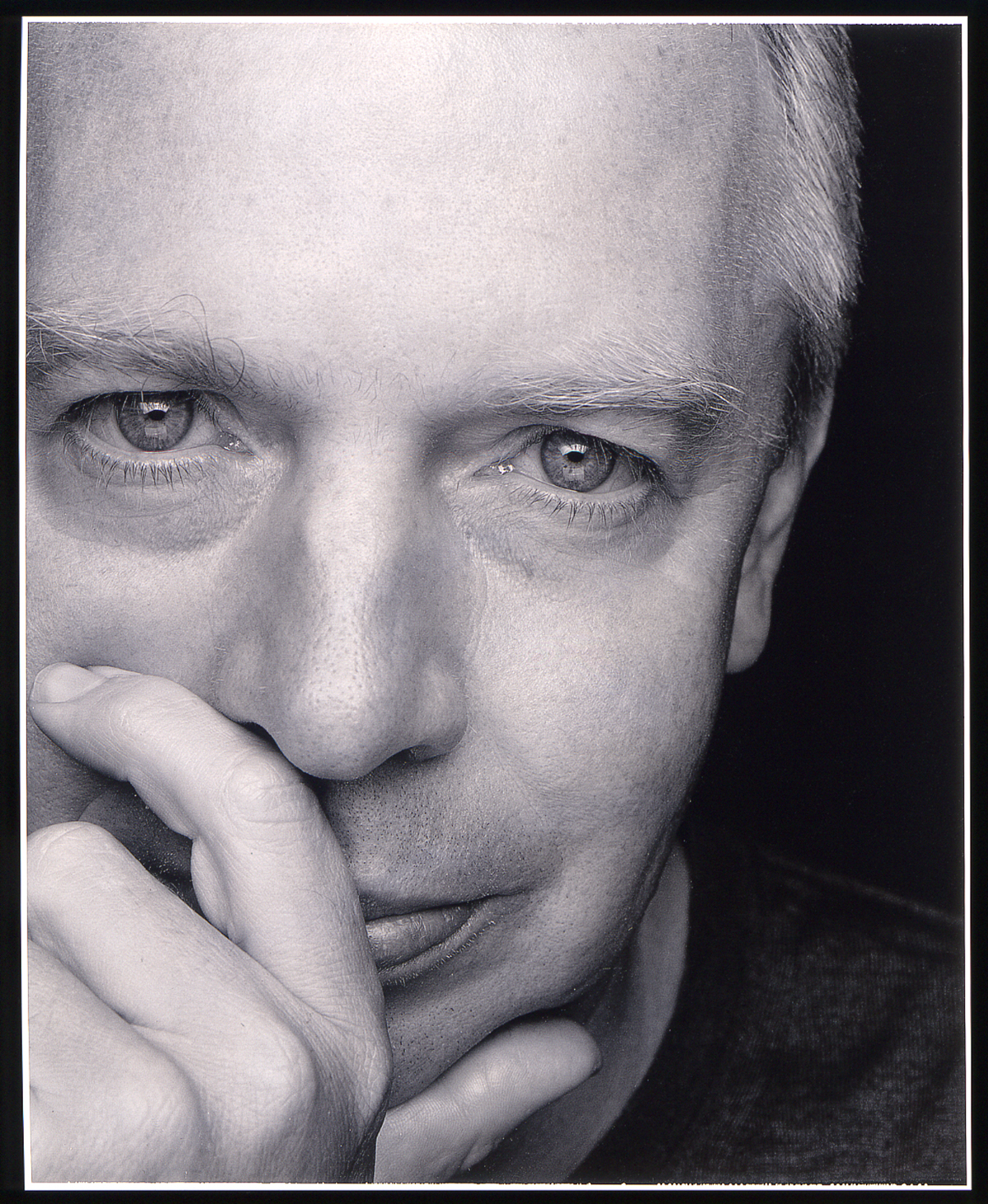
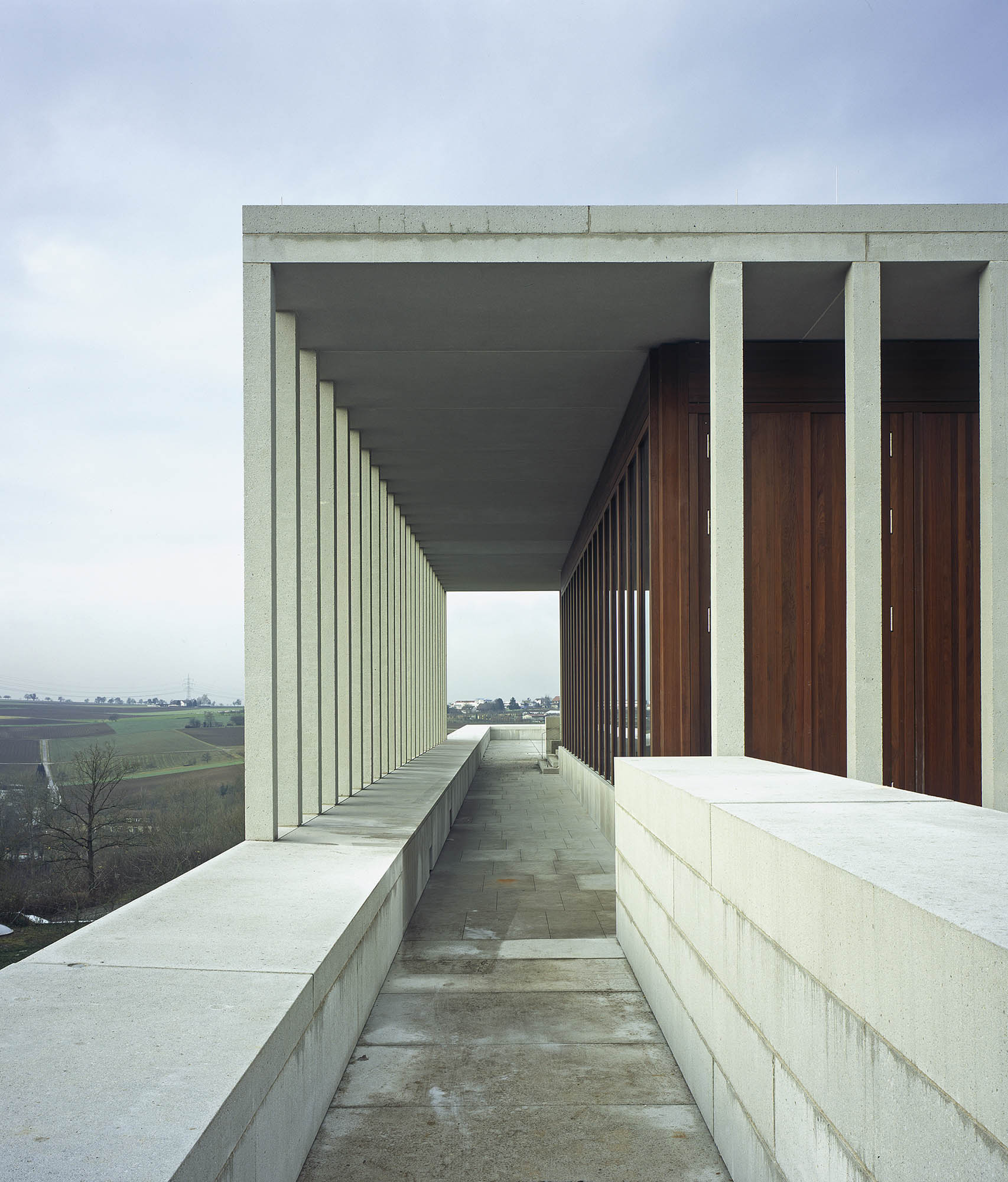
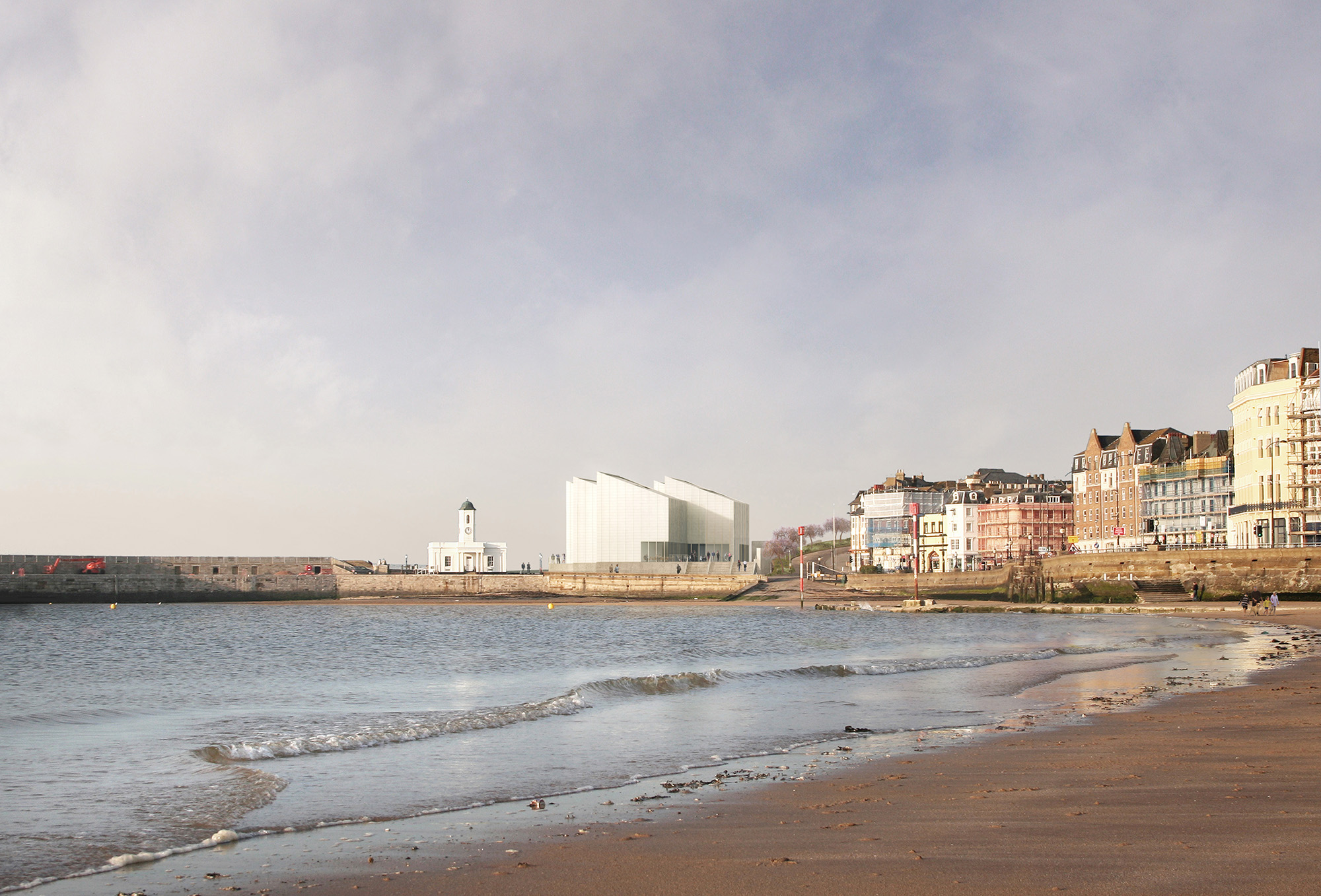
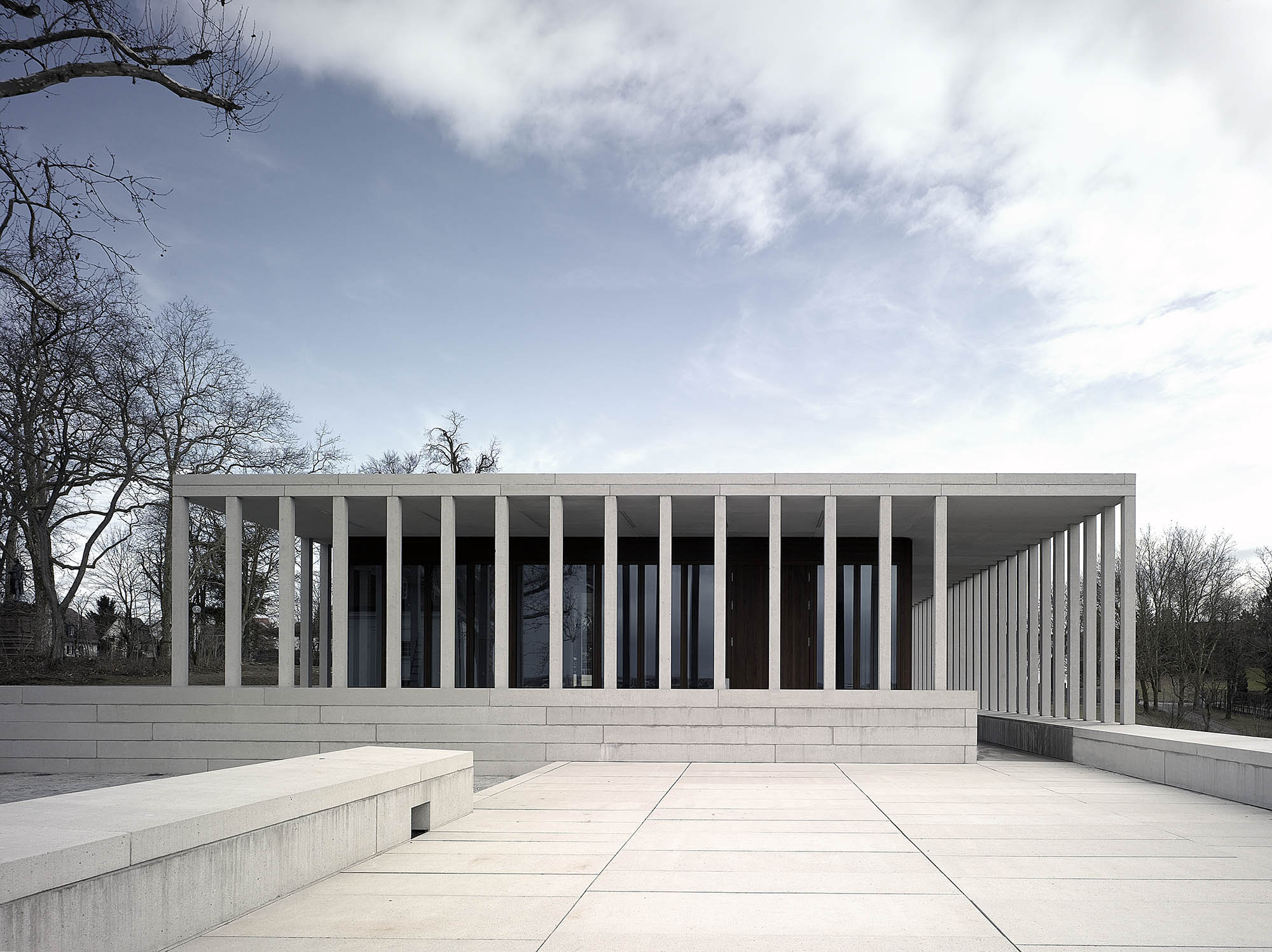
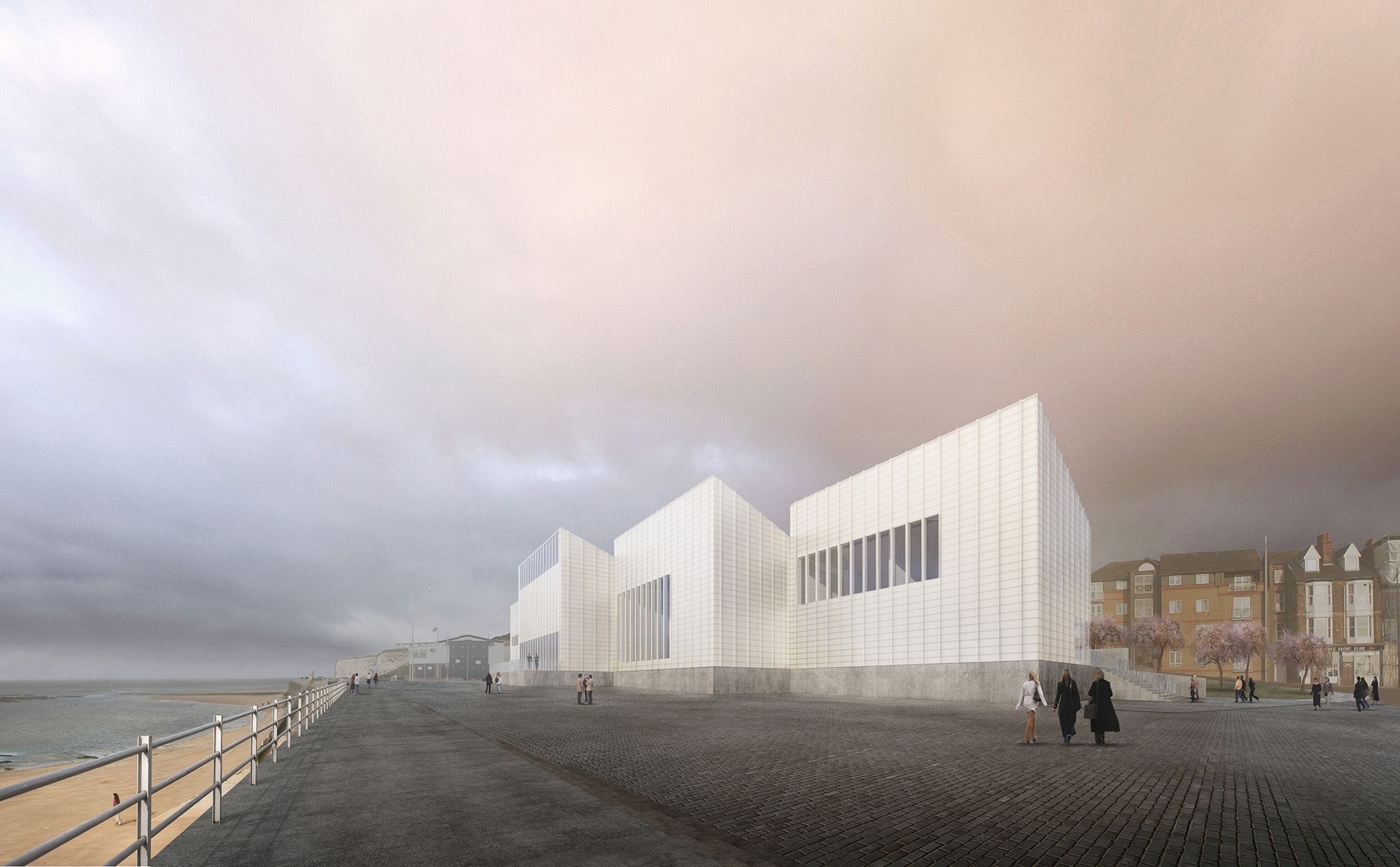
David Chipperfield CBE, AA Dipl., RIBA, RDI, Hon.FAI, studied at Kingston School of Art and the Architectural Association in London. After graduating he worked at the practices of Douglas Stephen, Richard Rogers and Norman Foster.
David Chipperfield Architects has won over 40 national and international competitions and many international awards and citations for design excellence, including RIBA, RFAC and AIA awards, and the RIBA Stirling Prize 2007.
In 1993, David Chipperfield was awarded the Andrea Palladio Prize and in 1999 the Heinrich Tessenow Gold Medal. In 2004 he was appointed Commander of the Order of the British Empire (CBE) for services to architecture. In 2006 he was appointed Royal Designer for Industry. (RDI), and in 2007 he was made an Honorary Fellow of the American Institute of Architects (Hon.FAIA) and an Honorary Member of the BDA (Bund Deutscher Architekten).

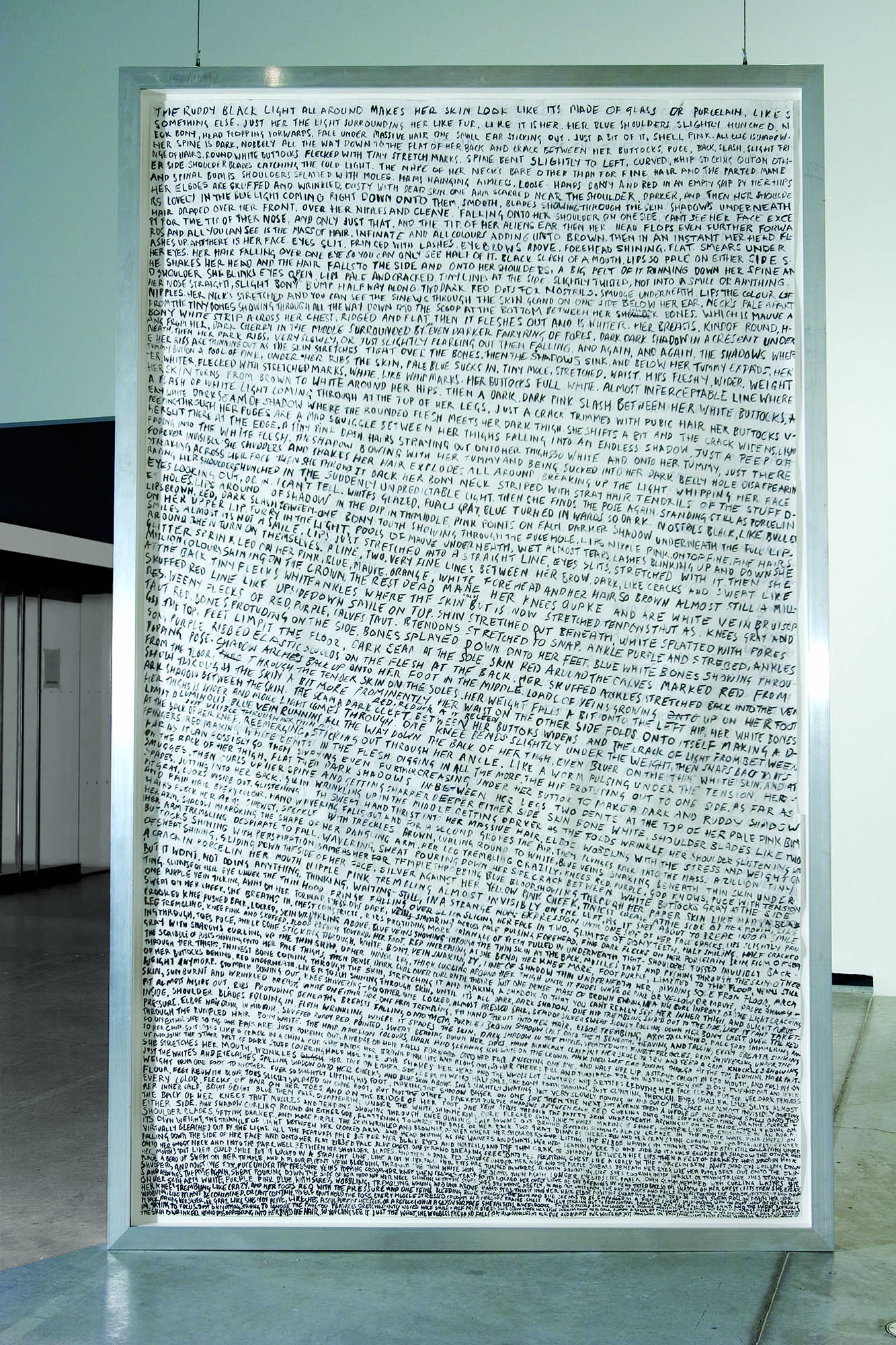
Much of Fiona Banner’s art explores the problems and possibilities of written language. Her early work appeared as 'wordscapes' or 'still films' - blow-by blow accounts written in her own words of feature films, (whose subjects range from war to porn) or sequences of events. These pieces took the form of solid single blocks of text, often the same shape and size as a cinema screen. Banner’s work encompasses sculpture, drawing and installation but text remains at the heart of her practice. She recently turned her attention to the idea of the classic, art-historical nude, observing a life model and transcribing the pose and form in a similar vein to her earlier transcription of films. Often using parts of military aircraft as the support for these descriptions, Banner juxtaposes the brutal and the sensual, performing an almost complete cycle of intimacy and alienation.
Banner has participated in numerous exhibitions worldwide, most recent being 'The Bastard Word' at the Power Plant, Toronto in March / April this year. Other solo exhibitions include Astersik at the Gesellschaft fuer Aktuelle Kunst, Bremen, 1999; Stop at Frith Street Gallery, London, Rainbow, 24/7 at the Hayward Gallery in 2001 and major exhibitions at Neuer Aachener Kunstverein, Aachen and Dundee Contemporary Arts, Dundee in 2002. Fiona Banner's work has also been included in Cinema Cinema, Van Abbe Museum, Eindhoven in 1999, Total Object, Complete with Missing Parts, Tramway 2, Glasgow, 2001 and Horror, Science Fiction, Porn at The Art Gallery of York University in 2005.
She has made specially commissioned works for HM Treasury and the public plaza surrounding the Mayor of London's Office. Fiona Banner is represented in various collections in the UK & abroad including The Museum of Modern Art, New York, Philadelphia Museum, USA, The Arts Council of England, Tate Gallery, London and the Walker Art Gallery, Minneapolis. Fiona graduated from Kingston University in 1989 and was short-listed for the Turner Prize in 2003.

James Irvine was born in London in 1958. After graduating from Kingston Polytechnic Design School in 1981, he went on to study at the Royal College of Art, London.
In 1984 he moved to Milan Italy to work as
design consultant for Olivetti design studio
Milan designing industrial products under
the direction of Michele De Lucchi (Honorary
Doctorate 2006) and Ettore Sottsass. In
1987, for a cultural exchange organised by
Olivetti, he worked for one year at the
Toshiba Design Centre in Tokyo conducting
research for industrial products. He returned
to Milan in 1988 and opened his private
design studio. Clients included Cappellini,
CBI, BRF and SCP.
From 1993 to 1997 in parallel to his private studio he was a partner of Sottsass Associati Milan and was responsible for the industrial design group. In 1999 he completed the design of the new city bus for the Hanover transport system Üstra. 131 buses have been built by Mercedes Benz. In 2004 he was guest of honour at the fair Interieur in Kortrijk and was also elected RDI (Royal Designer for Industry) by the Royal Society of Arts in London.
James Irvine was professor for industrial
design at the Hochschule für
Gestaltung, Karlsruhe. His design studio in
Milan continues to work with various
internationally renowed companies
including Alfi, Artemide, B&B Italia, Canon
Japan, Coro, Duravit, Foscarini, Magis, MDF
Italia, Muji, Olivari, Olivetti, Plank, Thonet,
Whirlpool, and Wmf.
One of industrial design's greats, James Irvine inspired a generation of young designers both here at Kingston and across the world.

Jasper Morrison was born in London in 1959 graduating from Kingston Polytechnic Design School, London in 1982 before going on to study at The Royal College of Art and at Berlin’s HdK on a scholarship.
In 1986 he set up an Office for Design in
London and his work gained an impressive
reputation both in London and internationally:
he designed the Reuters News Centre in
Kassel, he designed products for SCP in
London, the German door handle producer
FSB, the Office furniture company Vitra, and
the Italian furniture producer Cappellini.
Jasper has also exhibited widely: at the
“Berlin, Cultural City of Europe” programme,
at the Interieur ‘94 exhibition in Belgium, and
at Bordeaux’s Arc en Rêve Centre d’architecture
(‘95).
In 1995, Jasper Morrison’s practice was
awarded the contract to design the new
Hannover Tram, the largest European light
rail production contract of its time. At the
Hannover Industrial Fair, the project was
awarded the IF Transportation Design Prize
and the Ecology award.
More recently Jasper has exhibited in Tokyo,
Paris (as Designer of the Year 2000 at the
Paris Design Fair), in Palermo, and at the
Deste Foundation, Athens.
Jasper Morrison Ltd. are currently based in
London and Paris, and have an impressive
international client list.

Paola Antonelli joined The Museum of Modern Art (MoMA) in 1994 and is a Curator in the Department of Architecture and Design. Her first exhibition for MoMA, Mutant Materials in Contemporary Design (1995), was followed by Thresholds: Contemporary Design from the Netherlands (1996), Achille Castiglioni: Design! (1997–98), and Projects 66: Campana/Ingo Maurer (1999), Open Ends and Matter (September 2000–February 2001), Workspheres (8/2–22/4/2001), and Humble Masterpieces (July–September, 2004).
Her most recent show, SAFE: Design Takes On Risk, devoted to objects designed to protect the bodies, as well as the souls, of people worldwide closed in January, 2006.
Besides many exhibition catalogues and the 2003 Objects of Design, a book dedicated to the design objects in the museum’s collection, her most recent effort, Humble Masterpieces: Everyday Marvels of Design, was just released by Regan Books/Harper Collins. A celebration of such indispensable wonders as the Post-It note, the Slinky, and the Tampax, it highlights how good design not only facilitates, but also emotionally enriches our daily routines.
Antonelli has been a Contributing Editor for Domus magazine (1987-91) and the Design Editor of Abitare (1992-94). She has also contributed to several publications, amongst them Metropolis, the Harvard Design Magazine, ID magazine, Paper, Harper’s Bazaar, and Nest, as well as to the BBC series Building Sights and the NPR series Studio 360.
The recipient of a Master’s degree in Architecture from the Polytechnic of Milan in 1990, Paola Antonelli has curated several architecture and design exhibitions in Italy, France, and Japan. She has lectured on design and architecture in Europe and the United States and has served on several international architecture and design juries. From 1991 to 1993, she was a lecturer at the University of California, Los Angeles, where she taught design history and theory. She has also taught lecture courses and seminars entitled The State of Design and Safety and Security in Design at the Harvard Graduate School of Design and a yearly seminar at the MFA programme of the School of Visual Arts in New York.
Paola Antonelli’s goal is to promote the understanding of design, and to do it insistently, until its positive influence on the world is fully acknowledged. She is currently working on a book about foods from all over the world as examples of outstanding design and on trying to get a Boeing 747 into the collection of The Museum of Modern Art.

Michele De Lucchi was born in 1951 in Ferrara, Italy and graduated in architecture in Florence. During the period of radical and experimental architecture he was a prominent figure in movements like Cavart, Alchymia and Memphis. De Lucchi has designed lamps and furniture for the best known Italian and European businesses. He was Director of Design at Olivetti (1992–2002), has elaborated various personal theories on the evolution of the workplace, and has developed experimental projects for Compaq Computers, Philips, Siemens and Vitra.
His architectural designs have been mainly for office buildings: in Japan for NTT, in Germany for Deutsche Bank, in Switzerland for Novartis, and in Italy for Enel, Telecom Italia and Piaggio. In 1999 he was appointed to renovate some of ENEL’s (the Italian Electricity Board’s) power plants.
He has also worked for Deutsche Bank, Deutsche Bundesbahn, Enel, Poste Italiane, Telecom Italia, Banca Popolare di Lodi, Banca 121, Banca Intesa and at other Italian and foreign banks developing the corporate image, and introducing technical and aesthetic innovation.
He has been resposible for numerous art and design exhibitions and has designed buildings for museums
such as, Museo Diocedano d’Ivrea, Triennale di Milano, Permanente di Milano, Palazzo delle Esposizioni di Roma
and the Neues Museum Berlin.
His professional work has always gone side-by-side with a personal exploration of architecture, design, technology and crafts. In 1990, De Lucchi set up Produzione Privata, a small-scale concern through which he, unsolicited by clients, designs products that are made using artisan techniques and crafts. His firm, aMDL, has its offices in Milan and Rome.
Michele De Lucchi has received numerous international honours:
In 2000, he was made an Ufficiale della Repubblica Italiana by President Ciampi, for services to design and architecture.
In 2001, he was nominated Ordinay Professor at the Design and Art Faculty at the University in Venice.
In 2003, the Centre Georges Pompidou in Paris acquired
a considerable number of his works, which have been exhibited in the permanent museum.
In 2005, during the 20th anniversary of the fair, De Lucchi has received the price “Abitare il Tempo” as main part of Italian design in last ten years.
Selections of his products are exhibited in the most important design Museums in Europe, United States and Japan.