





Research and Innovation
Growing knowledge and practice: Kingston School of Art
Kingston School of Art is an expanding centre of excellence in art and design research.
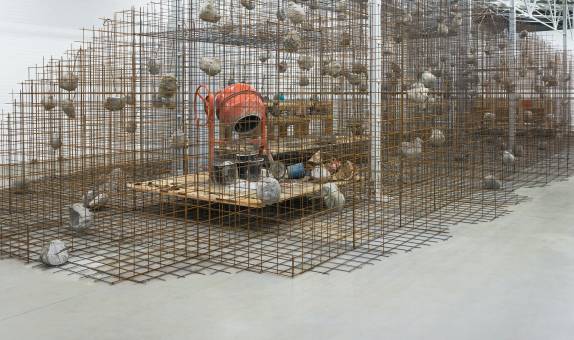
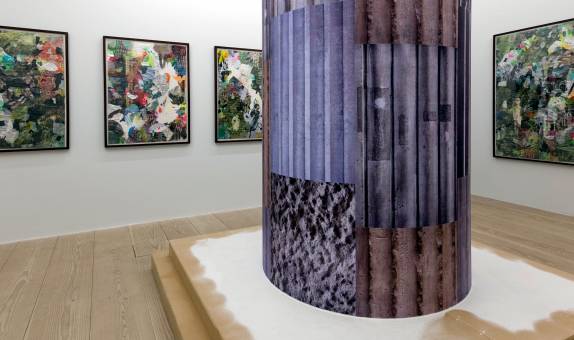
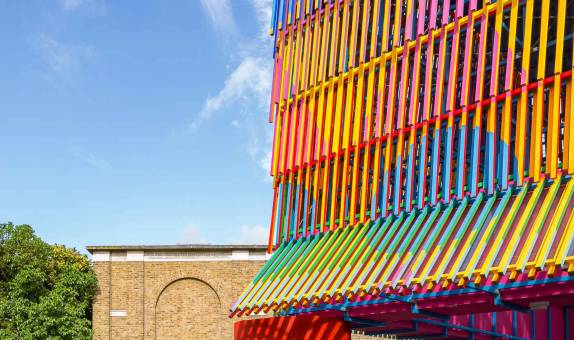
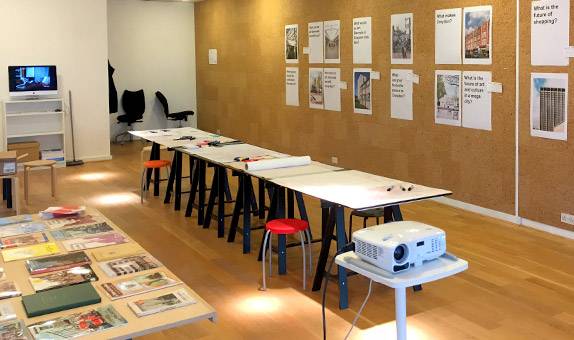
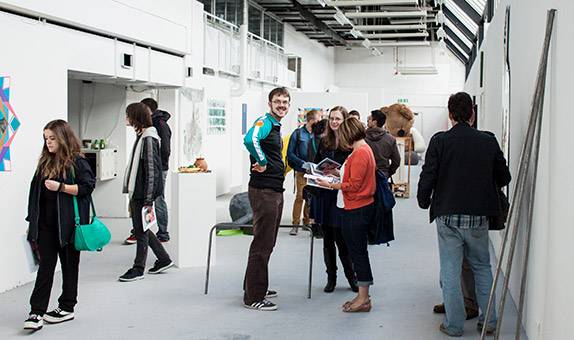
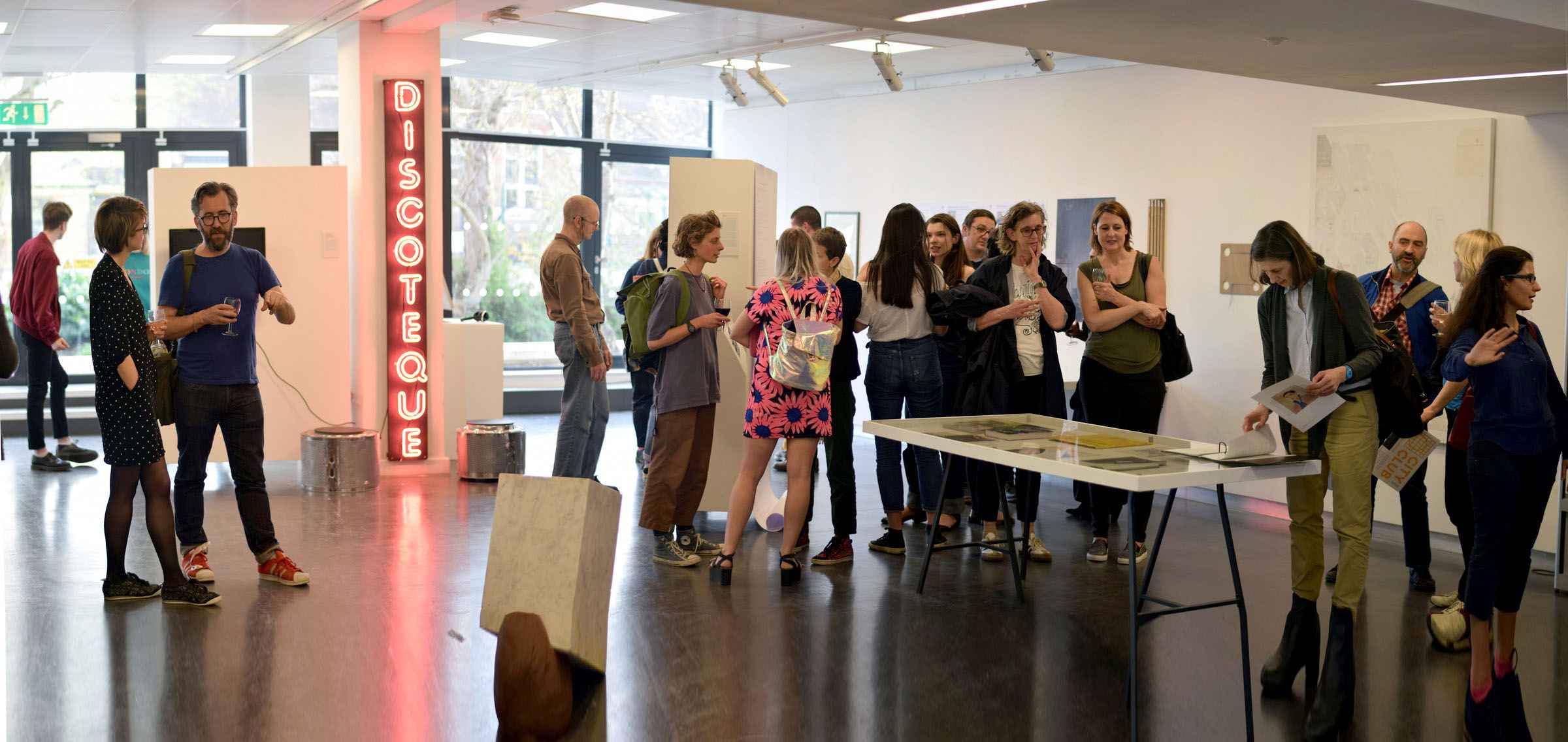
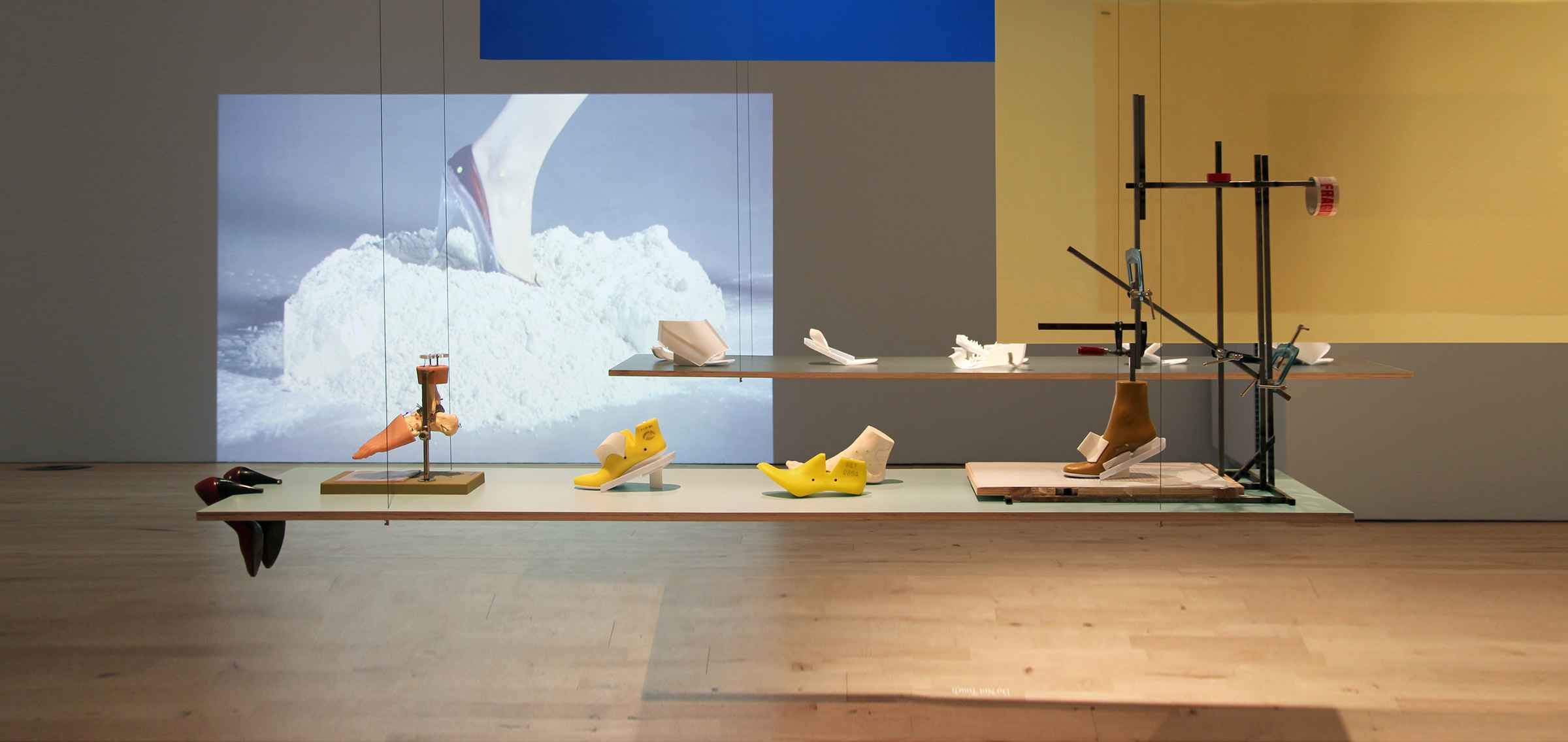
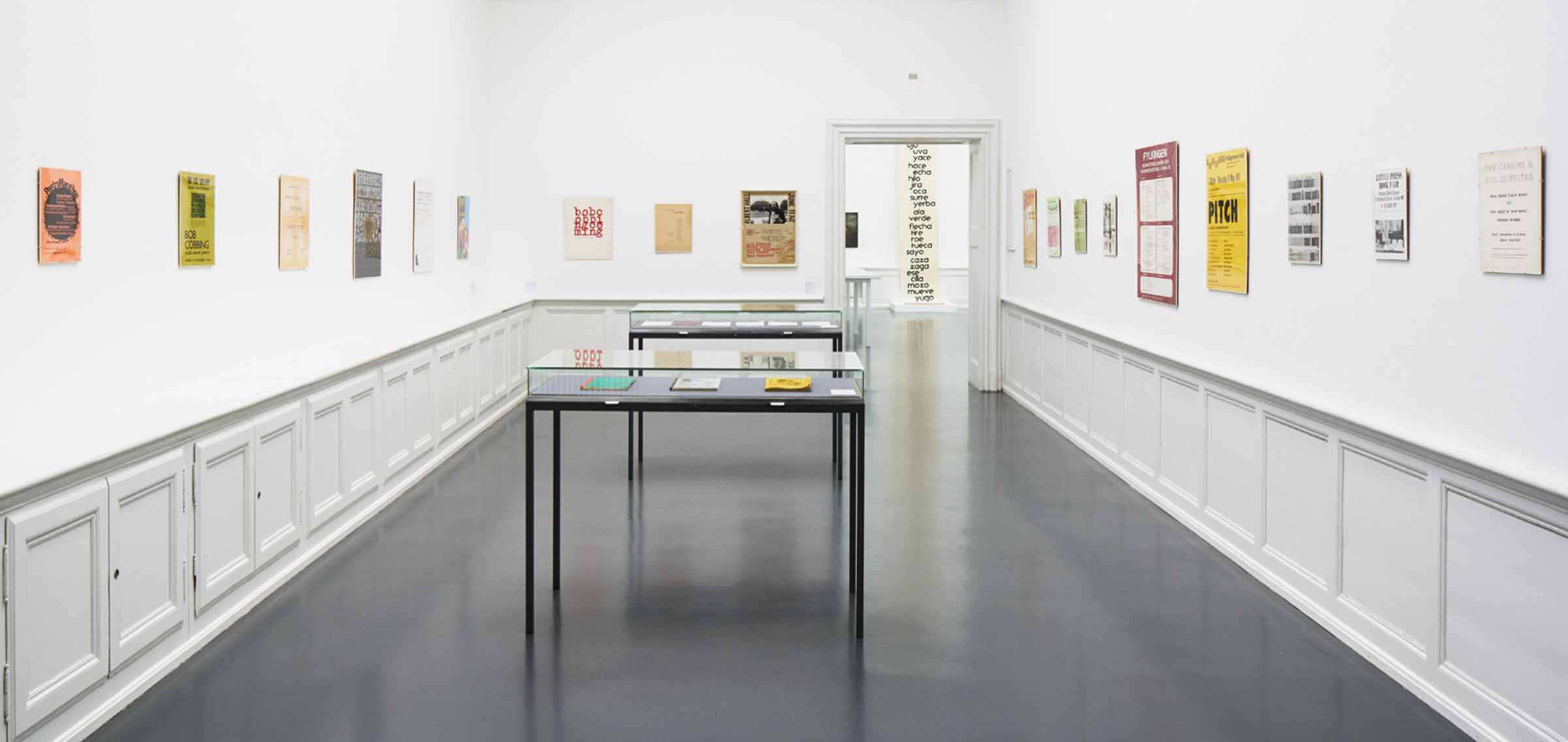
Kingston School of Art has a well-established and internationally renowned research culture that encourages and supports high quality, innovative research through practice, history and theory. This rich spectrum encompasses the critical practices of fine artists, curators and cultural commentators and historians, alongside that of designers, film makers, performers, musicians, creative writers, architects and other creative industries experts, all of whom have extensive professional, industrial and commercial links. Our aim is to foster a dynamic and stimulating environment that realises and supports individual and collaborative research projects. This is achieved through an exchange of ideas and practices within and across the disciplines, directly benefiting the wider academic community as well as industry, business and the public.


Research centres and groups
The Kingston School of Art Research Institute comprises these dedicated research centres and groups:
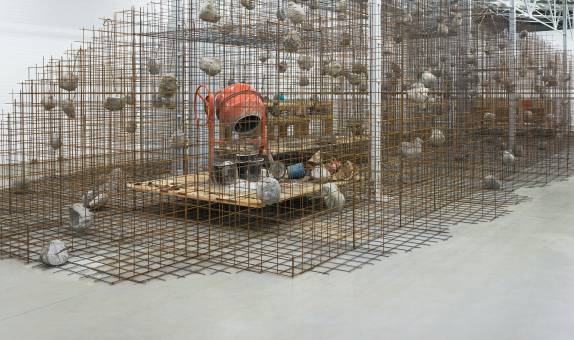
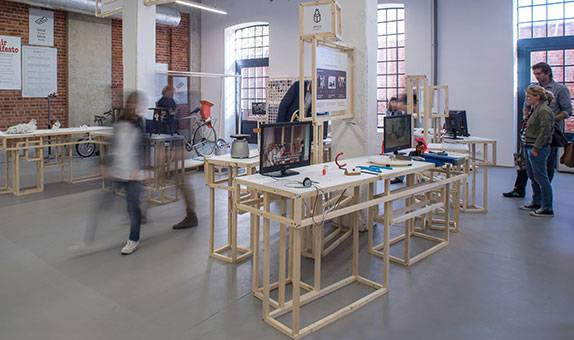
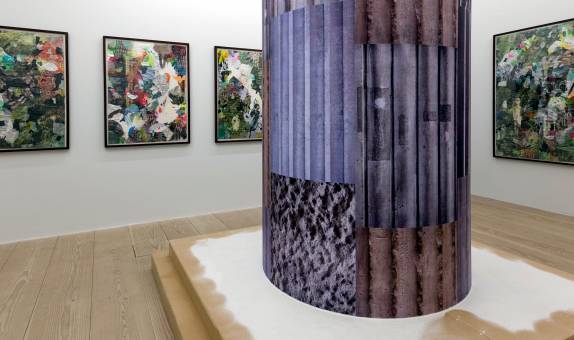




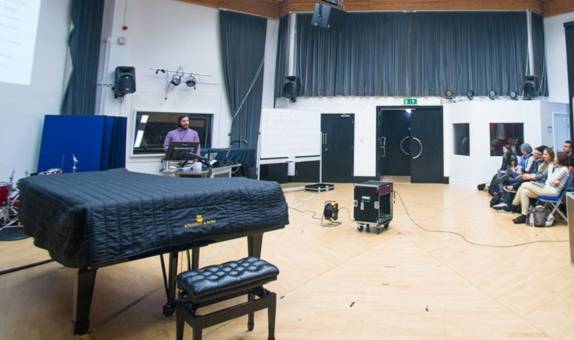
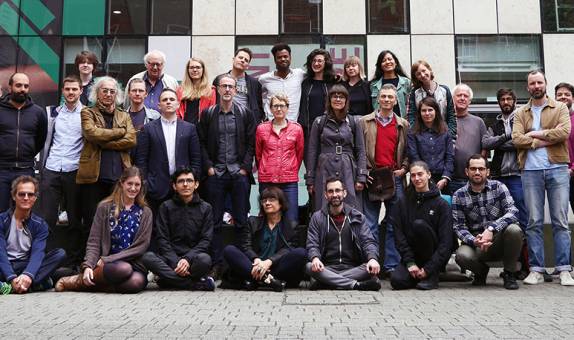
The Faculty's research activities were recognised as being world leading and of international excellence in the 2014 Research Excellence Framework (REF). The Faculty submission to Unit 34 (Art and Design, History Practice and Theory) was Kingston University's top performing unit, and demonstrated world class and internationally significant research with over 70% of the outputs submitted rated at 4* and 3*. A mature and sustainable research environment supports the production of our research, spread across four research centres and supported by both internal and external research funding and strong external partnerships. Our four established centres provide a strong infrastructure and supportive community for staff and student research.
The strength of the Faculty's research has been recognised through the award of a number of prestigious grants from the EU (Horizon 2020), national research councils including; Arts and Humanities Research Council (AHRC), Leverhulme Trust, Wellcome Trust, Henry Moore Foundation, Henkel Trust and Japan Foundation. Significant funding has also been awarded by the private and the public sector, including Arts Council England, British Academy, British Council, and Heritage Lottery Fund. These competitively won grants have enabled ambitious research projects such as the Eadweard Muybridge web portal and publications, The Creative Resources project on recycled materials in design, the Dora Gordine and Stanley Picker Trust project based at Dorich House Museum, the Ivor Robert Jones exhibitions and publications and the research programme 'Histories in the making, 140 years Kingston School of Art', and critical developments in individual and collaborative practice in fine art, design, literature, performing arts and the built environment.
Key examples of our collaborators and partners include: The British Library, The Design Museum, Henry Moore Institute, Kingston Museum Art Gallery and Archive, Olympic Studios, Rose Theatre, RAF Museum, Science Museum Group, South London Gallery, Tate, V&A and the Chinese National Gallery, and the BFI, ICA, Sadler's Wells, Kyoto Arts Centre, and LABoral in Madrid. Further UK networks and partners include the NHS, The Sorrell Foundation and The Women's Institute and several schools, care homes, community centres and interfaith organisations in our local and regional community.
Our postgraduate students participate in these projects and also benefit from the opportunities to be involved in live projects through the well-established industrial and business partnerships which have contributed to the continuing success of research projects across the Faculty. The Faculty is a member of two consortia that have been awarded a total of £15.9m by the Arts and Humanities Research Council (AHRC) to fund more than 200 postgraduate students in London and the south east from 2014. The Doctoral Training Partnership – TECHNE – and LDOC (The London Doctoral Design Research Centre) will bring together leading academic institutions, cultural organisations and industry partners to provide innovative postgraduate training and support for the next generation of researchers in art, design and architecture history, practice and theory.
Contact the Research Office
Professor Sara Upstone
Director of Postgraduate Researchers
Tel: 020 8417 2295
Email: s.upstone@kingston.ac.uk
Emily Bowles / Emerald Day
Research Student Co-ordinators
Tel: 020 8417 7416 / 5172
Email: ksaresearch-enterprise@kingston.ac.uk
Helen Glenn
Research Development Manager
Tel: 020 8417 6834
Email: h.glenn@kingston.ac.uk